
Understanding the Hidden Consequences of Misaligned Jaw Movement
The human jaw is a remarkably sophisticated piece of biological engineering, capable of executing thousands of movements each day with precision and power. However, when the alignment of teeth and jaw structures falls short of optimal positioning, the consequences extend far beyond aesthetic concerns. As a Specialist Orthodontist Battersea will tell you, one of the most significant yet often overlooked issues is abnormal tooth abrasion caused by irregular lateral grinding pathways during jaw movement. This phenomenon can lead to premature wear of tooth enamel, heightened sensitivity, and a cascade of dental complications that affect both function and appearance.
Orthodontic intervention offers a scientifically grounded solution to this problem by addressing the root cause rather than merely treating the symptoms. By realigning teeth and correcting bite patterns, orthodontic treatment fundamentally alters the pathways along which the jaw moves, thereby reducing destructive grinding forces and preserving dental structures for the long term. Understanding this relationship between jaw mechanics and tooth wear is essential for anyone seeking to maintain optimal oral health throughout their lifetime.
The Mechanics of Lateral Grinding and Tooth Wear
When the jaw moves from side to side during chewing, speaking, or unconscious grinding, teeth should ideally glide past one another in a smooth, controlled manner. In cases of malocclusion or misalignment, however, this movement becomes irregular and places excessive stress on certain tooth surfaces. Research has demonstrated the significant impact of occlusal factors on tooth wear patterns, highlighting how abnormal contact points create friction that gradually erodes enamel and exposes vulnerable dentine layers beneath.
The lateral excursive movements of the jaw are particularly problematic when teeth meet at incorrect angles. Rather than distributing forces evenly across multiple contact points, misaligned teeth concentrate pressure on isolated areas, accelerating wear in a localised fashion. This uneven distribution not only damages individual teeth but can also compromise the stability of the entire dental arch over time, leading to further complications such as temporomandibular joint dysfunction and chronic facial pain.
How Orthodontic Correction Addresses the Problem
Establishing Proper Occlusal Relationships
The primary objective of orthodontic treatment in preventing abnormal tooth abrasion is to establish harmonious occlusal relationships between upper and lower teeth. An orthodontist would carefully analyse jaw movement patterns and tooth contact points to design a treatment plan that guides teeth into positions where lateral forces are distributed appropriately.
This process involves precise measurements of how teeth interact during various jaw movements, ensuring that when treatment is complete, the grinding pathways follow a natural, protective course. By eliminating premature contacts and adjusting the angles at which teeth meet, orthodontic correction fundamentally changes the biomechanics of mastication and reduces the destructive forces that cause abnormal wear.
Long-Term Protection Through Structural Realignment
Beyond immediate correction of bite issues, orthodontic treatment provides lasting protection against tooth abrasion by creating a stable dental architecture. When teeth are properly aligned, the forces generated during jaw movement are distributed across multiple contact points rather than concentrated on vulnerable individual surfaces. This balanced distribution not only prevents excessive wear but also promotes healthier jaw muscle function and reduces the likelihood of developing parafunctional habits such as bruxism.
Furthermore, orthodontic intervention can significantly reduce the progression of existing tooth wear by removing the mechanical factors that perpetuate the problem. Patients who undergo treatment often experience a marked improvement in dental comfort and a reduction in sensitivity, as the corrected bite eliminates the grinding patterns that previously caused ongoing damage.
Comprehensive Assessment and Treatment Planning
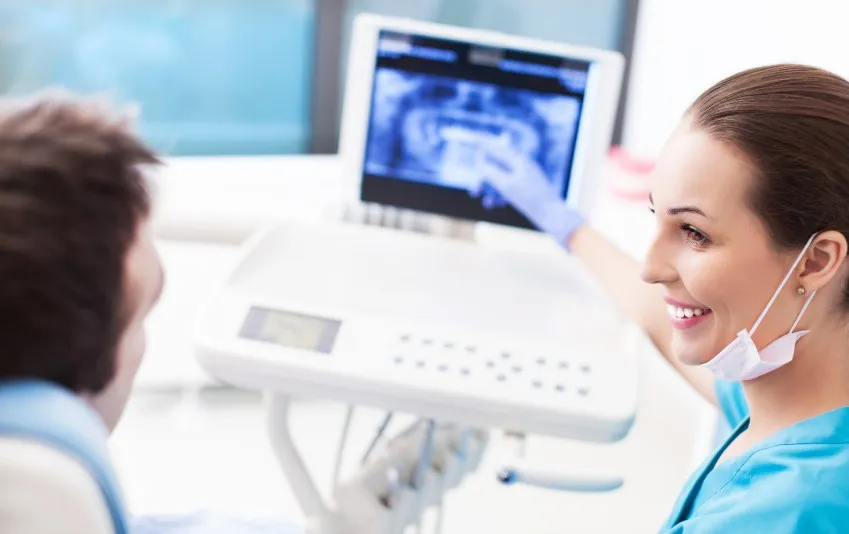
Effective orthodontic management of abnormal tooth abrasion requires a thorough diagnostic process. Clinicians must evaluate not only the static position of teeth but also the dynamic movements of the jaw during function. Advanced diagnostic tools, including digital bite analysis and three-dimensional imaging, allow practitioners to visualise precisely how teeth interact during lateral movements and identify the specific pathways that require correction.
Treatment approaches vary depending on the severity and nature of the misalignment. Some cases may require traditional fixed appliances to achieve comprehensive realignment, whilst others might benefit from clear aligner systems or functional appliances that guide jaw growth and development. Current principles for managing tooth wear emphasise the importance of addressing underlying occlusal factors alongside restorative interventions, highlighting the crucial role of orthodontics in comprehensive care.
Protecting Your Dental Health for the Future
The relationship between jaw alignment and tooth preservation represents a critical aspect of long-term oral health that deserves greater attention. Orthodontic treatment offers more than cosmetic enhancement; it provides a genuine therapeutic intervention that can prevent progressive dental damage and preserve natural tooth structure for decades to come. By correcting the lateral grinding pathways that cause abnormal abrasion, orthodontic care addresses the mechanical foundations of tooth wear and offers patients a pathway to sustained dental health and function throughout their lives.